

How to Care for Bali Rattan Bags: Wholesale Buyer Guide
For optimal “rattan bag care,” store Bali rattan bags in a dry, cool place, clean with a damp cloth, and ensure proper ventilation to…
Read guide
Bali rattan bag reviews highlight the artisanal craftsmanship and unique smoking process that gives each bag its characteristic golden-brown hue.
Bali rattan bags are handmade from ata grass, a vine similar to rattan, rather than hard cane rattan. This material is integral to the bags' lightweight yet sturdy construction. Primarily produced in East Bali, notably Tenganan village, these bags are a testament to the region's rich artisanal heritage. The production process involves hand-weaving ata strands tightly around a mold, ensuring each bag's unique shape and durability. After weaving, the bags undergo a smoking process using coconut husks, which imparts the signature golden-brown color and hardens the fibers. This meticulous process highlights the dedication and skill of the small family artisans who craft these bags. Buyers should note that the quality of the weave, color consistency, and lining can vary between suppliers, making it essential to source from reputable producers who maintain high standards.
For optimal “rattan bag care,” store Bali rattan bags in a dry, cool place, clean with a damp cloth, and ensure proper ventilation to…
Read guide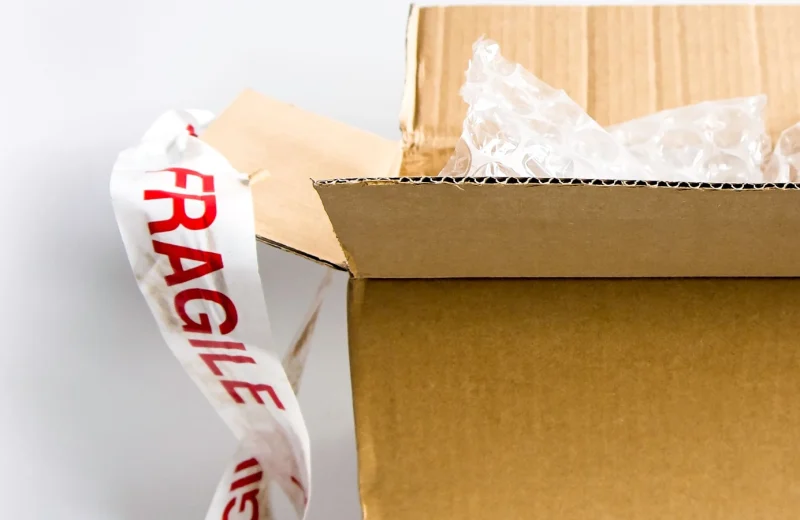
Bali rattan bag packaging embraces eco-friendly solutions that protect and enhance the handmade ata grass bags. Using sustainable materials and innovative designs, these packaging…
Read guide
Bali rattan bags, made from ata grass, are a cornerstone of ethical fashion. They support local artisans, offer sustainable choices, and present a unique…
Read guide
Sourcing Bali rattan bags involves partnering with local artisans in Bali, Flores, and Lombok, where bags are handmade using ata grass. Export logistics include…
Read guide
Bali rattan bags, showcased at trade shows in Bali, are crafted mainly from ata grass, woven and smoked by small family artisans. Bali's rattan…
Read guide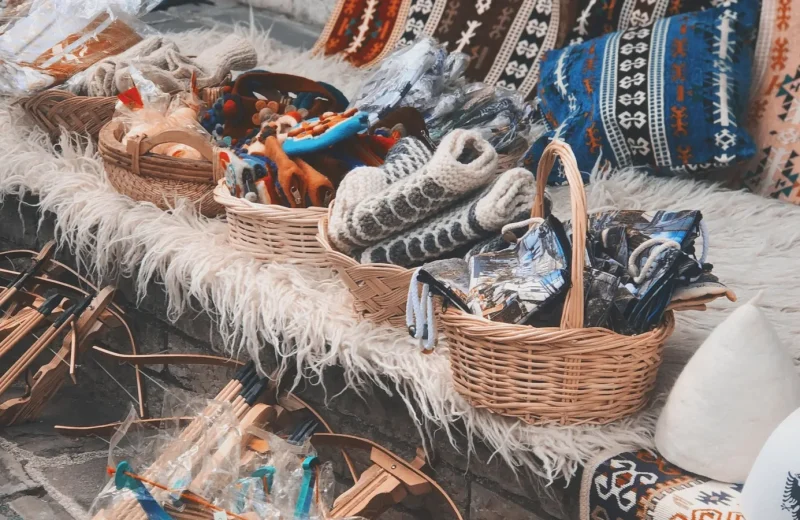
Export buyers should consider seasonal and regulatory factors. As a buyer exploring the Bali market for rattan bags, understanding the unique production and export…
Read guide
Custom Bali rattan bags offer diverse personalization options, from unique shapes and sizes to bespoke linings and hardware. This allows buyers to create distinctive…
Read guide
Explore our Bali rattan bag lookbook and discover diverse styles for every occasion. From round crossbody bags to unique box styles, each piece is…
Read guide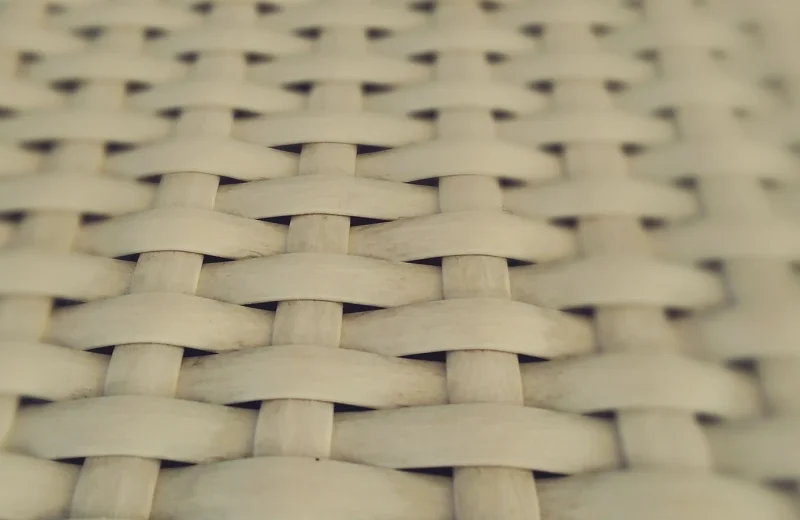
To keep your Bali rattan bag looking new, follow these care instructions: regularly wipe with a damp cloth, avoid excessive moisture, and store in…
Read guide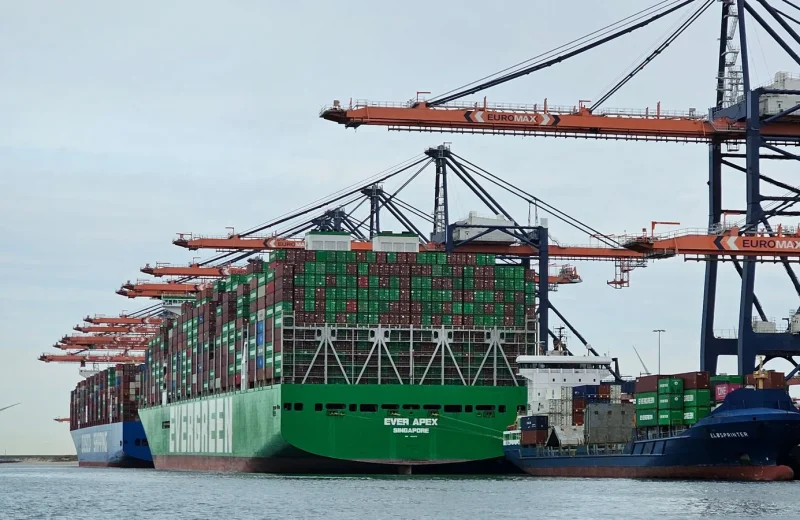
The export potential of Indonesian rattan handbags is significant due to their artisanal craftsmanship, global appeal, and affordability. For business buyers seeking unique, handcrafted…
Read guide
Influencers worldwide are styling Bali straw bags in innovative ways, showcasing their versatility and timeless appeal. These handmade bags, crafted from ata grass, are…
Read guide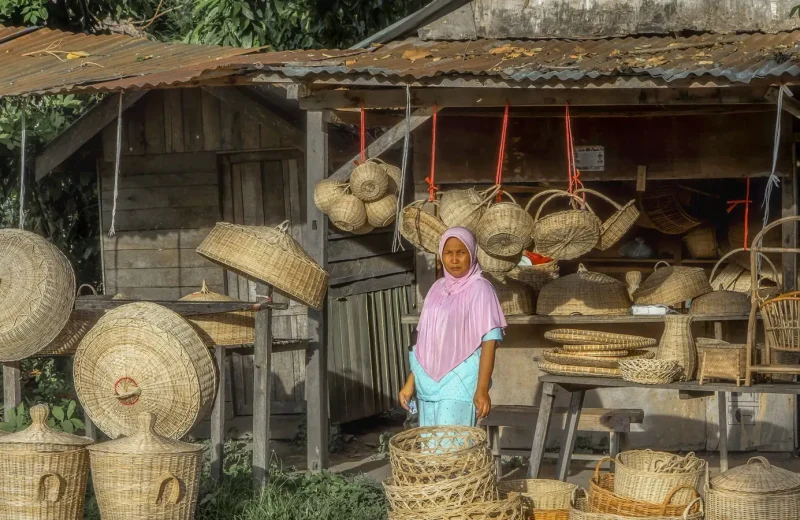
Ideal for buyers seeking authentic, handmade products with a unique story." As a buyer seeking to navigate the wholesale landscape of Bali rattan bags,…
Read guideBali rattan bags come in various shapes and designs, catering to diverse market preferences. The most iconic style is the round crossbody bag, typically measuring 18–22 cm in diameter and 6–8 cm in depth. Other popular styles include rectangular, half-moon, box, and bucket shapes. These designs are not only aesthetically pleasing but also functional, offering ample space for personal items while remaining lightweight and easy to carry. Closure options vary, with snap buttons, leather straps with buckles, and simple loop closures being common. High-end models might feature metal hardware, such as brass-colored, nickel-free fittings, adding a touch of sophistication. Many bags incorporate genuine cow leather straps and trims, although some buyers, particularly in the EU, may prefer vegan leather or PU alternatives. This variety enables buyers to select styles that best suit their market and branding needs.
Proper care is essential to maintain the longevity and appearance of Bali rattan bags. Since these bags are made from plant-based materials, they should be kept dry to prevent mold growth. After use, store them in a cool, dry place, avoiding direct sunlight, which can fade the color. If the bag becomes wet, air-dry it thoroughly before storage. To clean, use a soft brush or cloth to remove dust and dirt gently. Avoid using harsh chemicals or soaking the bag, as this can damage the fibers and lining. Regularly check for any signs of wear or damage, particularly on the straps and closures, and address these promptly to prevent further deterioration. By following these care tips, buyers can ensure their customers enjoy the durability and beauty of these bags for years to come.
What a bag costs depends on the style, the weave density, the order volume and the freight method, so figures are quoted per enquiry rather than published as a range. Minimum order quantities and payment terms are settled the same way.
Tell us what you are sourcing and we will send real numbers.
Exporting Bali rattan bags involves several logistical and regulatory considerations. Standard export documentation includes a commercial invoice, packing list, and phytosanitary/fumigation certificate if required by the destination country. The bags are typically classified under HS Code 4202, which covers handbags and similar containers made from vegetable fibers. Export shipments often undergo fumigation or heat treatment to meet plant health regulations in markets such as the EU and USA. Buyers should plan for production lead times of 4-8 weeks for bulk orders, considering that the rainy season (November-March) may extend drying and smoking times. Export logistics commonly involve shipment via Denpasar for air freight and Surabaya or Jakarta ports for sea freight. Familiarity with these practices ensures a smooth export process, minimizing delays and compliance issues.
Ensuring product quality is paramount when sourcing Bali rattan bags. Quality can vary significantly between suppliers, with differences in weave tightness, color consistency, and lining quality. Established brands often work directly with specific families to maintain control over production standards. Buyers should prioritize suppliers with a proven track record of quality and reliability. Visiting production sites, when possible, allows buyers to assess the craftsmanship firsthand and build relationships with artisans. Additionally, requesting samples before placing large orders can help verify quality and ensure the product meets expectations. By selecting trustworthy suppliers, buyers can confidently offer high-quality products to their customers.
Customer reviews of Bali rattan bags often highlight their unique aesthetic appeal and craftsmanship. Buyers appreciate the bags' durability and the attention to detail evident in the weaving and finishing. However, some reviews mention a lingering smoke odor from the smoking process, which typically dissipates over time. Feedback frequently praises the versatility of these bags, which can complement various outfits and occasions. While some customers prefer the traditional round design, others favour more contemporary styles, such as rectangular or bucket shapes. Collecting and analyzing customer feedback can provide valuable insights for buyers, helping them tailor their product offerings to meet market demands and enhance customer satisfaction.
Interested in sourcing Bali rattan bags for your business? Visit our contact page to make an enquiry, or explore more about our offerings on our export page. Our team is here to assist you in navigating the world of artisanal Bali rattan bags, ensuring you receive products that meet your quality and design expectations.
Next step
Send the question along with your style, quantity and destination market.
Ask the deskHandled by BD Juara Holding Group
Part of Juara Holding Group, operating from Bali across Indonesia since 2015.