
 Labuan Bajo · Komodo · Flores · Bali
Discover Bali Rattan Bags: Authentic Craftsmanship
Explore our collection of handcrafted rattan bags, made by skilled artisans in Bali. Perfect for global wholesalers and retailers seeking unique and sustainable products.
What are you sourcing?
Tell us what you need and we'll guide you to the right collection and next step.
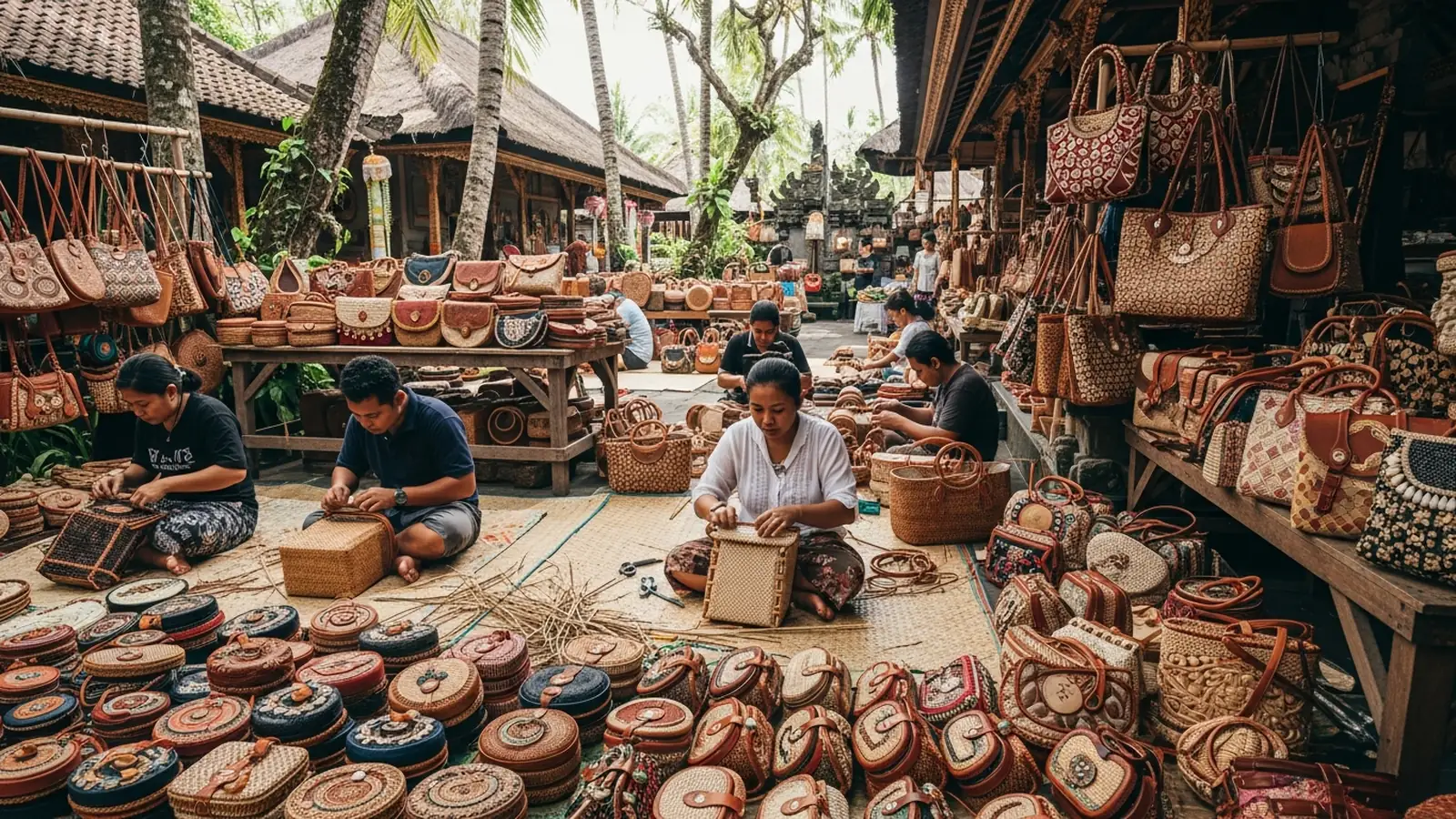
As a discerning buyer in the global market, understanding the nuances of Bali rattan bags is crucial. These handcrafted treasures, originating from the lush landscapes of Bali and nearby islands, are not just fashion accessories but a testament to the artistry and tradition passed down through generations. Each bag tells a story of skill and dedication, crafted with precision and care by small family artisans. This page is your comprehensive guide to sourcing these exquisite bags, ensuring you navigate the purchase process with confidence and insight.
Understanding the Craft of Bali Rattan Bags
Bali rattan bags are intricately woven from ata grass, a vine similar to rattan, which offers durability and a unique texture. This material is distinct from the harder cane rattan, providing flexibility and strength. The weaving process involves tightly wrapping ata strands around a wooden or metal mold, forming the desired shape. After weaving, the bags undergo smoking over coconut husk fires, a process lasting several days, which imparts the characteristic golden-brown color and hardens the material. The final touch is sun-drying, essential for moisture removal, preventing mold during export. This traditional method, rooted in the cultural practices of East Bali, particularly in Tenganan village, ensures each bag is a masterpiece of craftsmanship.
Production Regions and Artisan Involvement
The production of Bali rattan bags is concentrated in Bali, Flores, Lombok, and other Nusa Tenggara islands. These regions are renowned for their skilled artisans who craft these bags in village workshops. Unlike mass production in factories, the creation of Bali rattan bags is a family affair, with skills passed down through generations. Brands often collaborate directly with these family artisans, ensuring quality and maintaining the authenticity of the craft. This collaboration is crucial, as it not only supports local economies but also ensures the preservation of traditional weaving techniques. Export logistics typically involve consolidation in Bali or Java, with shipments moving through Denpasar or Surabaya.
Shapes, Sizes, and Design Features
Bali rattan bags are available in a variety of shapes and sizes, catering to diverse market preferences. The most iconic is the round crossbody bag, but other popular styles include rectangles, half-moon, box, and bucket shapes. Standard sizes for round ata bags range from 18–22 cm in diameter and 6–8 cm in depth, balancing aesthetics, capacity, and shipping volume. Closure options vary from snap buttons and leather straps with buckles to simple loop closures. High-end models may feature metal hardware, often brass-colored and nickel-free. The interior is typically lined with cotton or batik fabric, showcasing local Indonesian patterns.
Pricing and Market Dynamics
Pricing for Bali rattan bags varies based on quality, design, and market. Wholesale ex-factory prices for standard round ata bags range from USD 8–15 per piece for bulk orders, typically in the hundreds. Retail prices can range from USD 30–80, influenced by branding and market positioning. For serious buyers, minimum order quantities (MOQs) often start at 1,000 pieces, while smaller orders, ranging from 10 to 50 pieces, are available through online shops and social media channels, albeit at higher per-unit costs. Payment methods accepted by exporters include PayPal, Wise, Western Union, and bank transfers.
Export Considerations and Documentation
Exporting Bali rattan bags involves navigating various logistical and regulatory requirements. Standard export documentation includes a commercial invoice, packing list, and potentially a phytosanitary or fumigation certificate, especially for plant-based materials. Bags are classified under HS Code 4202, and shipments often undergo fumigation or heat treatment to meet plant health regulations in markets like the EU and USA. The tropical monsoon climate of Bali and Flores necessitates careful timing for production and export, with the dry season offering optimal conditions for smoking and drying.
Quality Control and Supplier Relationships
Quality control is paramount in the production of Bali rattan bags. Variations in weave tightness, color consistency, and lining quality can occur between suppliers. Establishing direct relationships with specific artisan families allows brands to maintain high standards and ensure product consistency. Buyers should consider these factors when selecting suppliers, as well as the potential for a smoke odor in freshly smoked bags, which may dissipate over time. Engaging with reputable suppliers and investing in long-term partnerships can mitigate quality risks and enhance product offerings.
Logistics and Lead Times
Understanding the logistics of exporting Bali rattan bags is essential for efficient supply chain management. Export shipments typically depart from Denpasar for air freight and Surabaya or Jakarta ports for sea freight. Lead times for production can range from 4 to 8 weeks, depending on order volume, design complexity, and seasonal conditions. The rainy season, from November to March, may extend drying and smoking times, necessitating strategic planning for timely deliveries. Buyers should factor in these variables when scheduling orders to ensure seamless integration into their retail operations.
Cultural Significance and Sustainability
The cultural significance of Bali rattan bags extends beyond their aesthetic appeal. These bags are a reflection of the rich cultural heritage of Indonesia, embodying the traditions and customs of the communities involved in their production. Artisans take great pride in their craft, which is often seen as a family heirloom passed down through generations. Moreover, the use of natural materials such as ata grass highlights the sustainable practices inherent in their production. By choosing Bali rattan bags, buyers are supporting environmentally friendly practices and contributing to the preservation of traditional crafts.
Customization and Branding Opportunities
Customization is a key advantage for brands looking to offer unique products in the competitive fashion market. Bali rattan bag producers are often open to customization requests, allowing buyers to specify design elements such as colors, patterns, and hardware. This flexibility enables brands to align the products with their brand identity and cater to specific consumer preferences. Additionally, collaborating with artisans for exclusive designs can enhance brand value and create a unique selling proposition. By leveraging these opportunities, brands can differentiate themselves and capture a loyal customer base.
For more detailed insights and to explore potential collaborations, visit our About and Supplier pages. To initiate an enquiry or discuss specific requirements, please contact us. Our team is ready to assist you in sourcing the finest Bali rattan bags, tailored to your market needs.